Chronic Pain

I look forward to exploring how we can transform your experience of pain.
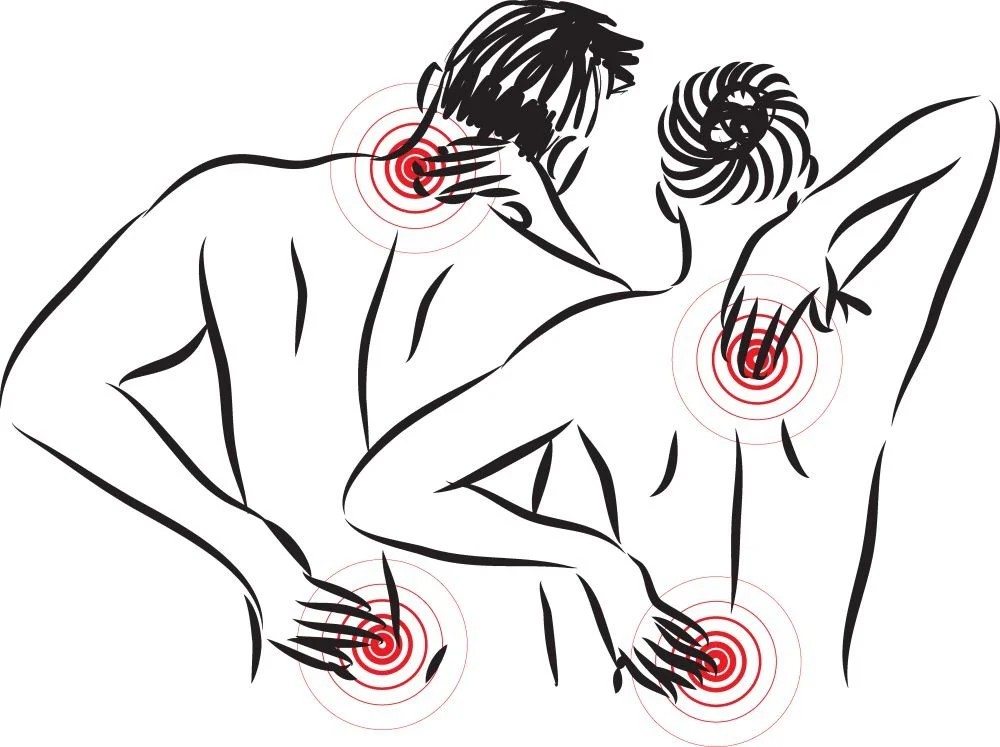
Pain conditions I work with most often:
Headaches (Tension Headaches and Cluster Headaches)
Migraines (including abdominal migraines)
Back and Shoulder Pain
Fibromyalgia
Complex Regional Pain Syndrome
Endometriosis
Cancer Pain
Neuropathic Pain
Pain can be a complex and intimate experience that might stem from many sources. It might have started after a physical injury, emotional trauma, or a bout of inflammation. It might have come after a period of stress, grief, or conflict.
Whatever had caused the pain to spike first, chronic pain is often a mix of many factors. Occasionally they include a physical injury, and often they are due to sensitization of the nervous system, unhelpful ways in which we try to manage the pain, and emotional turmoil around it.
Through my work on several Pain Management teams at the VA, and later in private practice, I have gained expertise in managing anxiety, depression, anger, OCD-like rigidity, grief, and relationship challenges that often accompany pain conditions.
If you’re struggling with persistent or intermittent pain, I offer a range of evidence-based psychological therapies to help reduce the impact of pain on your life. Whenever possible, we will also aim at reducing the pain experience itself.
We work together to better manage pain, reduce stress, and improve your overall well-being. By developing effective coping strategies and addressing the psychological factors contributing to pain, we can empower you to live a more fulfilling and joyful life.
What happens in treatment?
My work with chronic pain includes a variety of methods and is customized to your specific condition and preferences. I often connect with the medical team to coordinate care and best serve your needs. The main modalities I practice include:

Cognitive-Behavioral Therapy (CBT) is used to identify and modify the patterns of thinking and behavior that can often worsen the experience of persistent pain. It includes working through pain-related over-determination, anxiety, or grief, and helps address unhelpful (though very understandable!) behaviors such as over-doing or avoidance. The goal is to equip you with concrete skills to gradually improve your daily functioning and decrease pain-related emotional distress.
Pain Reprocessing Therapy (PRT) is an evidence-based system of psychological techniques designed to reduce and potentially eliminate certain kinds of chronic pain. This method is grounded in neuroscience and is based on the idea that much persistent pain results from the brain misinterpreting safe signals from the body as dangerous. PRT aims to retrain the brain to accurately interpret and respond to these bodily signals, thereby helping to reduce or resolve the pain experience itself.
Acceptance and Commitment Therapy (ACT) focuses on improving your quality of life, even if the physical pain itself is unavoidable. This modality often helps people feel more at peace with the pain experience and feel less threatened and impacted by it. We work together to explore and clarify your relationship with pain and your values. We identify helpful and unhelpful actions, and commit to changes that improve your quality of life. This modality includes mindfulness and behavioral change.
No matter what specific school of thought we follow, working with chronic pain often includes these sets of strategies:
Relaxation Training: I employ various relaxation methods, including diaphragmatic breathing, Progressive Muscle Relaxation (PMR), and visualization strategies, to teach you how to lower overall physical tension and calm your nervous system. These techniques interrupt the body's stress response and, when practiced regularly, can help reduce sensitivity of the nervous system (and thus pain sensitivity), and decrease associated distress.
Biofeedback: this modality uses non-invasive electronic sensors to measure and show you real-time information about physiological processes related to stress, like heart rate, muscle tension, or skin temperature. I incorporate this modality to teach you conscious control over these involuntary physical processes and overall nervous system activation. Gaining self-regulation over these responses helps reduce the physical bracing and hyper-alertness that often fuel chronic pain. Biofeedback is used in conjunction with relaxation training and can make it a more precise (and often more engaging) experience.
Mindfulness: I guide clients through mindfulness exercises to cultivate non-judgmental awareness of their present experience, including the sensations of pain and any associated thoughts and emotions. This practice encourages a shift in your relationship with the pain, decoupling the raw sensation from the suffering caused by resisting or worrying about it.